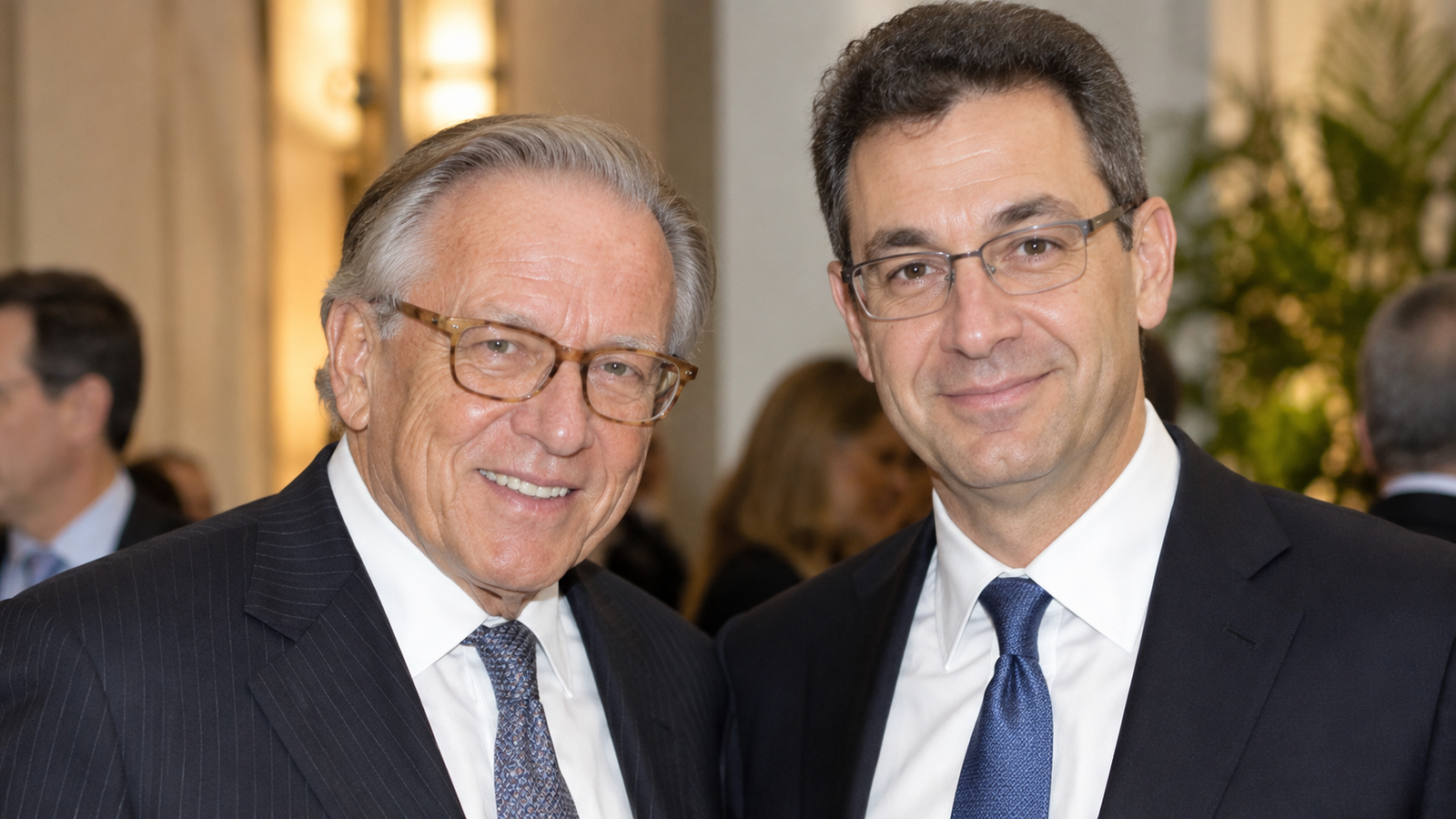

Hiroshi Mikitani and Henrik Fisker are entrepreneurs known for their contributions to different industries. Mikitani founded Rakuten, a Japanese internet-services company that expanded into e-commerce, finance, and telecommunications. Fisker became recognized for designing luxury automobiles and launching businesses focused on electric vehicles.
Although their careers developed along different paths, both demonstrate the ambition required to turn an idea into a business. Their stories also reveal contrasting challenges, from managing a global digital ecosystem to financing and manufacturing vehicles. This article explores their biographies, ages, families, education, careers, net worth, lifestyles, achievements, and professional legacies.
Profile Bio
| Quick Bio Detail | Hiroshi Mikitani | Henrik Fisker |
| Full Name | Hiroshi Mikitani | Henrik Fisker |
| Known As | Mickey Mikitani | Henrik Fisker |
| Date of Birth | March 11, 1965 | Commonly reported as August 10, 1963 |
| Age in 2026 | 61 years | 63 years |
| Birthplace | Kobe, Japan | Allerød, Denmark |
| Nationality | Japanese | Danish-born; also described as American |
| Profession | Entrepreneur, business executive | Automotive designer, entrepreneur |
| Famous For | Founding Rakuten | Luxury-car design and electric-vehicle ventures |
| Education | Hitotsubashi University; Harvard Business School | ArtCenter College of Design |
| Spouse | Haruko Mikitani | Geeta Gupta-Fisker |
| Children | Two, according to public profiles | Two, according to public profiles |
| Net Worth | Approximately $3.1 billion, according to Forbes on October 27, 2026 | Current net worth not reliably verified |
| Height | Not reliably confirmed | Not reliably confirmed |
| Official Website | Rakuten Group | Henrik Fisker |
Hiroshi Mikitani’s Early Life
Hiroshi Mikitani was born on March 11, 1965, in Kobe, Japan. He grew up in an academically oriented family and developed an interest in business and economics. Unlike many technology entrepreneurs, he did not begin his career by building software or launching an internet startup.
Mikitani studied at Hitotsubashi University before earning an MBA from Harvard Business School in 1993. His education introduced him to different approaches to management, investment, and entrepreneurship. Experiences in Japan and the United States helped shape his ambition to build a business that could compete internationally.
Family and Personal Life
Mikitani is married to Haruko Mikitani, and public biographies report that they have two children. He generally keeps his family life private, so detailed information about his children’s lives is limited. His public profile focuses primarily on his professional responsibilities and business interests.
His activities extend beyond commercial technology. Mikitani has been involved with Japanese sports organizations, including Vissel Kobe football club and the Tohoku Rakuten Golden Eagles baseball team. His cultural interests have also included leadership responsibilities associated with the Tokyo Philharmonic Orchestra.
How Mikitani Built Rakuten
Mikitani founded Rakuten in 1997 with an online marketplace that allowed merchants to sell products directly to customers. At the time, e-commerce was still developing in Japan, and the company offered smaller businesses another way to reach consumers without building their own complete online shopping systems.
Rakuten gradually expanded into financial services, credit cards, banking, travel, digital content, and telecommunications. Rather than remaining a single-purpose marketplace, it developed an interconnected business ecosystem. The strategy allowed the company to offer several services to customers while creating new opportunities for growth.
One of Mikitani’s notable management decisions was introducing English as Rakuten’s internal corporate language. The initiative was intended to improve communication across international teams and support the company’s global ambitions. It reflected his belief that international growth requires changes in workplace culture as well as business strategy.
Hiroshi Mikitani’s Net Worth
Forbes’ real-time billionaire profile estimated Mikitani’s net worth at approximately $3.1 billion on October 27, 2026. His wealth is associated primarily with his business interests and ownership stakes. Because valuations and market prices fluctuate, this figure should be treated as an estimate rather than a fixed amount.
Net worth does not mean that the same amount is available as cash. Much of an entrepreneur’s wealth may be tied to shares, investments, and other assets. Rakuten’s business performance and Mikitani’s personal fortune are also separate financial measures, even though his wealth is closely connected to the company.
Henrik Fisker’s Early Life
Henrik Fisker is a Danish-born automotive designer and entrepreneur. He developed an interest in cars at a young age and eventually pursued professional training in transportation design. His career took a different direction from Mikitani’s, beginning with creative work rather than banking or corporate management.
Fisker studied at the ArtCenter College of Design’s European campus in Switzerland and graduated in 1989. His education provided the foundation for a career focused on vehicle styling, design development, and the visual identity of automobiles. He later used that experience to establish himself within the luxury automotive industry.
Family and Personal Life
Henrik Fisker is married to Geeta Gupta-Fisker, a business executive with a scientific background. She worked alongside him at Fisker Inc., serving in senior financial and operational roles. Their professional partnership connected their personal and business lives, particularly during the development of the company’s electric vehicles.
Published biographies report that the couple has two children. Fisker generally maintains privacy around his family, and detailed information about their everyday lives is limited. Public coverage of his career focuses more on automotive design, business ventures, and electric-vehicle development than on his private affairs.
From BMW to Aston Martin
Fisker began his automotive career at BMW in 1989. His work contributed to his growing reputation as a designer, including his association with the BMW Z8, a luxury roadster that later appeared in the James Bond film The World Is Not Enough. The car became recognizable for its distinctive styling and modern interpretation of classic roadster design.
He subsequently worked with Ford and Aston Martin. His professional history is associated with the Aston Martin DB9 and V8 Vantage, two vehicles known for their elegant styling. These experiences established his credibility in automotive design before he began pursuing independent businesses.
Fisker Automotive and the Karma

Fisker moved toward entrepreneurship with Fisker Coachbuild in 2005 and helped establish Fisker Automotive in 2007. The company aimed to create premium vehicles that combined distinctive design with electrified driving. Its best-known product, the Fisker Karma, was a luxury plug-in hybrid sedan introduced in 2011.
The Karma attracted attention for its appearance and technology, but manufacturing a car involves much more than designing an appealing product. Companies must finance production, manage suppliers, meet regulatory standards, maintain quality, and provide customer support. Fisker Automotive faced serious financial and operational difficulties, and Fisker resigned in 2013. The company subsequently entered bankruptcy proceedings.
Fisker Inc. and Electric Vehicles
In 2016, Henrik Fisker and Geeta Gupta-Fisker founded Fisker Inc., a separate venture focused on electric vehicles. Its best-known product was the Fisker Ocean, an all-electric SUV designed to compete in the growing electric-vehicle market. The company emphasized styling, technology, and a manufacturing approach that relied on an external production partner.
Despite these ambitions, Fisker Inc. struggled with financial and operational problems. The company and its U.S. subsidiaries filed for Chapter 11 bankruptcy protection in June 2024. A liquidation plan later took effect in October 2024. These events are an important part of Fisker’s business history and should be distinguished from his earlier accomplishments as an automotive designer.
Henrik Fisker’s Net Worth
A dependable current estimate of Henrik Fisker’s personal net worth could not be established from the sources consulted. Online figures vary, and many do not explain how they account for private assets, liabilities, company ownership, or bankruptcy-related financial consequences.
Fisker’s professional achievements include work with established automotive brands and the development of independent businesses. However, the financial outcomes of his companies should not be treated as equivalent to his personal wealth. Without reliable documentation, presenting a precise dollar figure would risk misleading readers.
Lifestyle, Height, and Physical Appearance
Mikitani’s public life centers on corporate leadership, technology, business events, and sports organizations. Fisker’s public profile is more closely associated with car launches, design events, and discussions about electric mobility. Both have maintained professional identities shaped by their respective industries.
Reliable height measurements were not found for either entrepreneur in the sources consulted. It is better to omit exact figures than repeat unsupported claims. Their public photographs can illustrate their appearances, but photographs alone cannot establish a verified height.
Social Media and Official Websites
Readers interested in their professional activities can consult their public profiles and company websites.
- Hiroshi Mikitani: X profile and Rakuten Group.
- Henrik Fisker: Professional website.
These resources provide starting points for learning about their public work. Before publishing social media links, check that each account remains active and authentic, since public figures can be impersonated and professional affiliations may change.
Major Achievements
Mikitani’s most significant achievement is building Rakuten from an online marketplace into a diversified internet-services group. Its expansion into financial services, telecommunications, and other businesses reflects his long-term focus on organizational growth. He also received Harvard Business School’s Alumni Achievement Award in 2012 and France’s Legion of Honour in 2014.
Fisker’s achievements center on automotive design. His work associated with BMW and Aston Martin established his professional reputation, while the Fisker Karma and Ocean represented attempts to bring his design vision into independent vehicle businesses. His later companies faced serious financial difficulties, but those outcomes do not erase the separate record of his earlier design contributions.
Interesting Facts About Both Entrepreneurs
- Mikitani began in banking: He worked at the Industrial Bank of Japan before founding Rakuten.
- Harvard influenced his career: His MBA helped shape his approach to entrepreneurship and business development.
- Rakuten adopted English: The company introduced English as its internal business language to support international communication.
- Fisker developed an early interest in cars: A childhood encounter with a Maserati helped inspire his design ambitions.
- The BMW Z8 appeared in a James Bond film: Its appearance in The World Is Not Enough brought the vehicle wider recognition.
- Fisker launched two separate automotive ventures: Fisker Automotive and Fisker Inc. had different products, histories, and financial outcomes.
What Their Careers Teach Us About Business
Mikitani’s career shows how a company can expand by building related services around an established customer base. Rakuten’s ecosystem created opportunities across e-commerce, finance, and communications, but diversification also requires careful investment decisions and the ability to manage different types of risk.
Fisker’s career highlights the challenges of turning creative talent into a sustainable manufacturing business. Designing an appealing car is only one part of the process; production, funding, quality control, and customer service are equally important. His experience demonstrates why a strong product vision must be supported by sound operations and financial planning.
Are Hiroshi Mikitani and Henrik Fisker Connected?
There is no reliable public evidence establishing a direct business partnership, family relationship, or joint venture between Mikitani and Fisker. Their names can be compared because both pursued ambitious entrepreneurial goals, but their professional histories are distinct.
Mikitani built an interconnected digital business group, while Fisker developed a reputation through automotive design and later launched independent vehicle companies. Their comparison is useful as a discussion of entrepreneurship rather than evidence of a personal or commercial connection.
Conclusion
Hiroshi Mikitani and Henrik Fisker represent two different approaches to entrepreneurship. Mikitani built Rakuten into a diversified internet-services group through long-term organizational growth, while Fisker earned recognition for automotive design and pursued ambitious ventures in electric mobility.
Their careers illustrate the importance of matching a business vision with the skills, resources, and operational discipline needed to achieve it. Mikitani’s journey highlights the opportunities and challenges of expanding a digital ecosystem, while Fisker’s experience demonstrates the financial demands of manufacturing vehicles. Although their careers have no established direct connection, both provide useful examples of ambition, innovation, and the realities of building a business.
Must Read: https://blogmagz.co.uk/cara-delevingne-and-gene-hackman/
FAQs
What are Hiroshi Mikitani and Henrik Fisker famous for?
Hiroshi Mikitani founded Rakuten, while Henrik Fisker is known for designing luxury cars and launching automotive companies focused on electrified vehicles.
What are their ages and heights?
Mikitani is 61 and Fisker is 63 in 2026. Reliable height measurements for either entrepreneur are not publicly verified in the sources consulted.
What is Hiroshi Mikitani’s net worth?
Forbes estimated Mikitani’s net worth at approximately $3.1 billion on October 27, 2026. His wealth is primarily associated with Rakuten and other business interests.
Who are their spouses?
Mikitani is married to Haruko Mikitani, while Fisker is married to Geeta Gupta-Fisker. Both have two children, according to published biographical information.
What happened to Henrik Fisker’s company?
Fisker Inc. filed for Chapter 11 bankruptcy protection in June 2024 and later proceeded with liquidation. The company was separate from Fisker Automotive, his earlier venture.